
As interest in Valve’s recently-announced Steam Machine continues to swirl, developers have had plenty of reason to wonder what will be needed to attract player interest on the platform. While the company still hasn’t released pricing info for the SteamOS-based hardware, it has shed some light on its verification process in a new interview with Game Developer.
According to Valve designer Lawrence Yang, developers hoping for a “Steam Machine Verified” badge can expect “fewer constraints” than Steam Deck Verification. “One easy rule of thumb is that if your title is Verified on Steam Deck, it will be Verified on Steam Machine,” Yang continued. VR developers seeking Steam Frame verification may expect a different process, though Yang said Valve will “be going through the same rounds of testing and providing developer feedback” as it does for the other verification programs.
The “Steam Deck Verified” badge has proven to be more than a mere quality assessor when releasing games on Steam. It’s also been a major marketing beat for developers—one so potent companies like Microsoft-owned Bethesda are publicizing Steam Deck Verified status for classic games like Quake. A “Verified” badge also means your game might appear on the “Great on Deck” section of the Steam Store, the default store page found when accessing the marketplace on the device.
Valve didn’t provide additional technical requirements for earning the “Steam Machine Verified” status—though it did offer some details on why it created the Steam Controller Puck pairing system that reflects its hardware philosophy.
Valve’s goal: “It just works”
Valve’s Steam Controller Puck, the device that can both charge and pair a Steam Controller to any PC it’s plugged into, was a small surprise in the Steam Machine hardware reveal. Most controller manufacturers have settled on using Bluetooth or USB-C as their main means of pairing controllers. Valve says it created this extra piece of hardware to address issues not with Bluetooth itself, but the environments people play in.
“While Bluetooth is a great wireless connection method, we found in our testing that people’s home wireless environments and PC Bluetooth capabilities are highly variable (clogged networks, wireless interference, increased latency when using multiple BT devices, etc.),” said engineer Steve Cardinali.
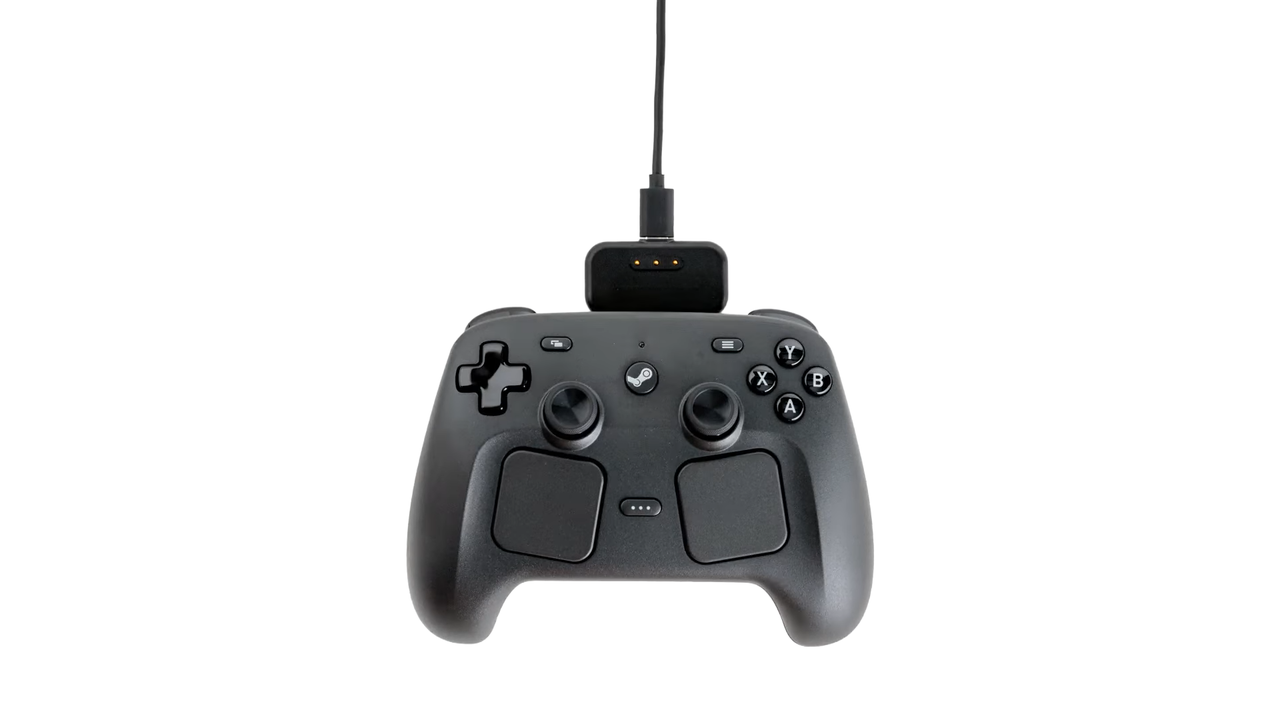
Cardinali added that the Puck “addresses these issues.”
“Another problem we set out to solve was the fact that dedicated wireless receivers that are plugged directly into the back of a PC near other USB ports can create interference issues. Adding the charging capability encourages people to leave the puck in a place where it’s likely to have minimal interference while providing a really easy charging experience.”
“It just works” has become a key strategic philosophy for Valve as it develops products that approach the plug-and-play reliability of the classic console market. Seeing that philosophy expand from the “Verified” badge to the controller pairing system shows there may be more untapped potential in making the PC video game market a less-fiddly and more accessible experience.