

I spent most of the year reporting on the games industry. While I’ve been covering it as a journalist and critic for over a decade now, 2025 has been particularly brutal and antagonistic against creatives around the world. I’ve lost count of how many stories about layoffs I wrote. The corporate buzzwords from CEOs celebrating milestones at the end of financial quarters while people had lost their livelihoods days prior are forever present in my mind. Each unionization effort presented as much as a glimmer of hope as the collective exhaustion of people who just want to manifest the stories and the feelings that move them, creating art for others to inspire and relate to.
It’s been a long and arduous year. But developers continued working on their games despite everything. My picks for this list represent that fervent perseverance turned into standout creativity, paired up with an attitude of wishing for better conditions for everyone, and the reminder that, at the end of the day, supporting one another and uniting against hate and injustice have never been more vital.
Absolum (Dotemu/Guard Crush Games/Supamonks/Gamirror Games)
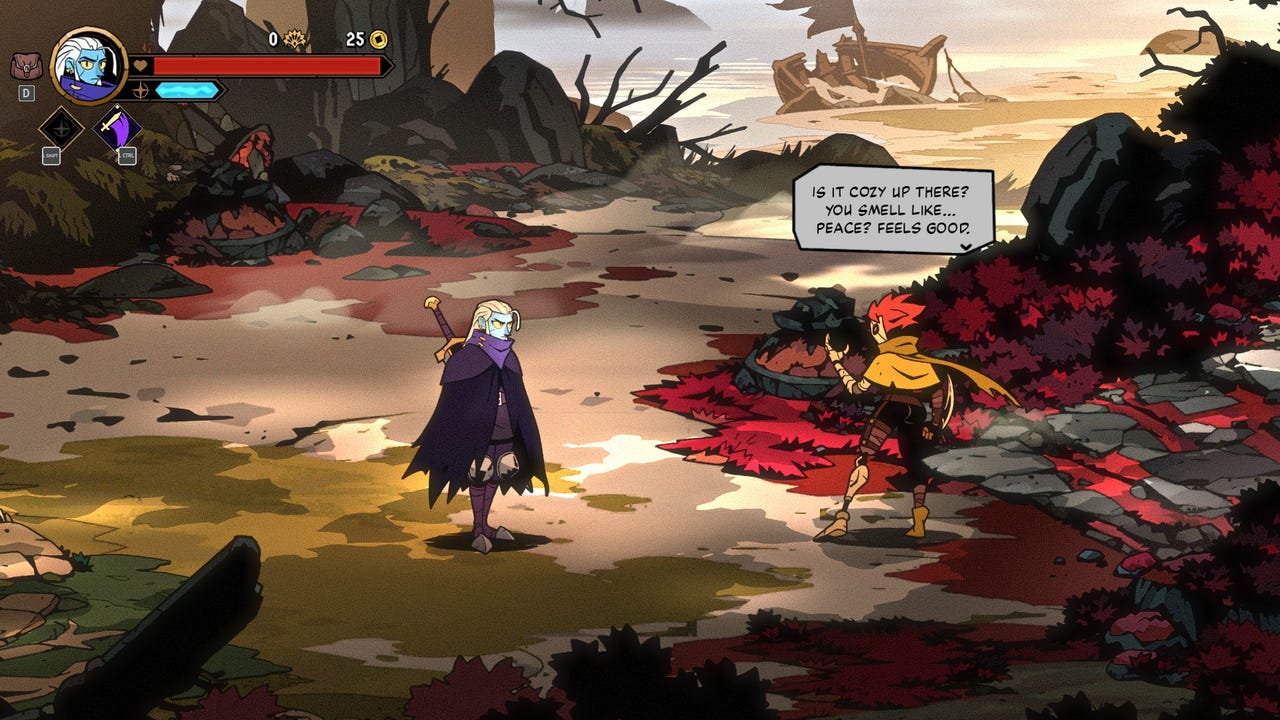
Image via Dotemu/Guard Crush Games/Supamonks/Gamirror Games
Beat ’em ups don’t need to be overly complex to feel good to play and create a lasting memory, especially when playing with people on your side. Absolum, however, dares to try otherwise, and succeeds to great lengths. It’s not only an excellent brawler, but it takes the right cues from roguelites such as Hades and offers tantalizing progression goals to keep you invested, making it so each run has something new to learn and discover. For a genre rooted in tradition, Absolum feels completely fresh.
Peak (Team Peak/Aggro Crab/Landfall)
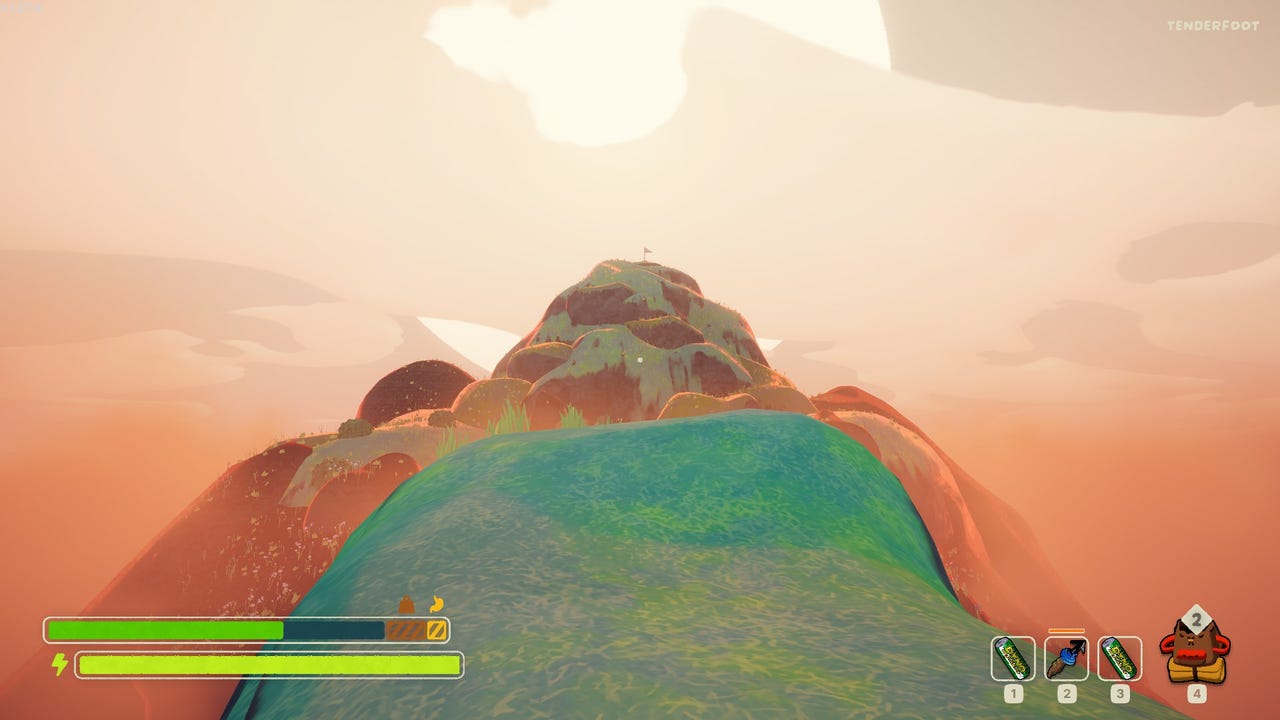
Image via Team Peak/Aggro Crab/Landfall
The new wave of multiplayer games led by the likes of Lethal Company and Content Warning continues to grow strong. Peak, however, was the one that managed to grab my attention beyond just one Friday night on Discord with friends. Fueled by the brilliantly designed stamina meter, simple controls, and the right balance of locomotion, every attempt to climb to the top of the mountain feels singular. Whether you manage to successfully pull off a strategy with friends that seemed impossible at first, or if you end up having to finish a trek on your own while their ghosts surround and cheer you, Peak symbolizes perseverance like very few other games out there.

Image via Jump Over The Age/Fellow Traveller
I feel like I’ve lived five different lives since the release of Citizen Sleeper 2: Starward Vector back on January 31. Yet, the closer I got to the end of the year, the more fond I grew of it. The dice-heavy RPG iterates on the ethos of its predecessor, showcasing the damage of capitalism and overreliance on technology to the everyday folk, but it also increases the tension. It’s a much tougher sequel, which in turn makes its themes all the more poignant. I don’t think it’s a coincidence that Citizen Sleeper 2 also introduces a crew feature where you recruit characters who join you on Cowboy Bebop-style expeditions. It adds to the sense of communal effort, and serves as a reminder that we can, and should, rely on each other more.

Image via Enhance/Monstars Inc.
I never thought I’d see a game like Tetris Effect again, and I was fine with it. After all, the synesthesia-driven take on the classic puzzler worked so well that trying to replicate it would not yield the same result. Yet, Lumines Arise proved me wrong. It takes the same foundation but returns with more confidence and less restraint. Every stage is its own diorama, infusing animated backgrounds, flashy particles, and music to evoke feelings over the same mechanics and the same movements, time and time again. From EDM raves to trips to the sky with violins guiding your pace, levels in Lumines Arise are packed with stories—and I’ll remember them for a long time.
Unbeatable (D-Cell Games/Playstack)
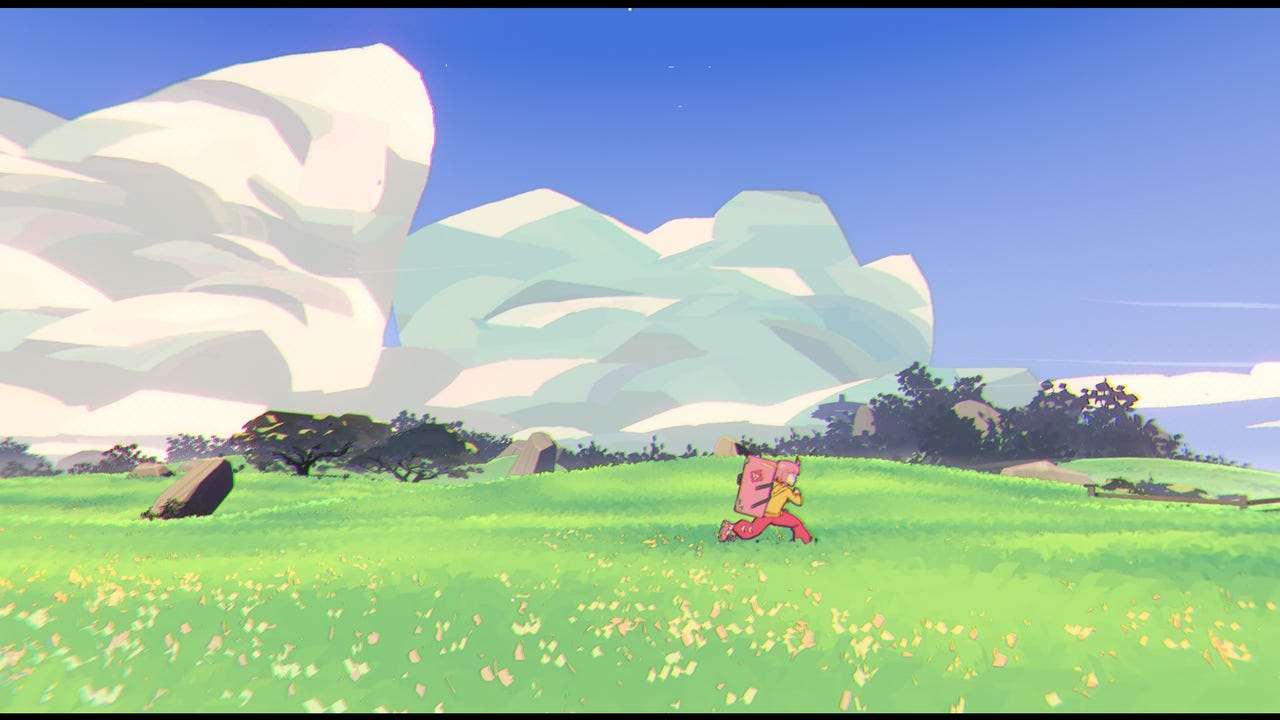
Image via D-Cell Games/Playstack
By the time Unbeatable was released, I felt like I had already been playing it for years. Developer D-Cell released a demo all the way back in 2021, featuring the rhythm game portion of the experience. I played it time and time again and never got tired of it. The music and aesthetics stuck with me all this time, especially since the team shared new tracks online and updated the demo build with songs. Finally getting to hear these songs in context in the story mode is its own achievement. But for me, Unbeatable has extended beyond being a simple game, but a special place I’ll likely be returning to in perpetuity.
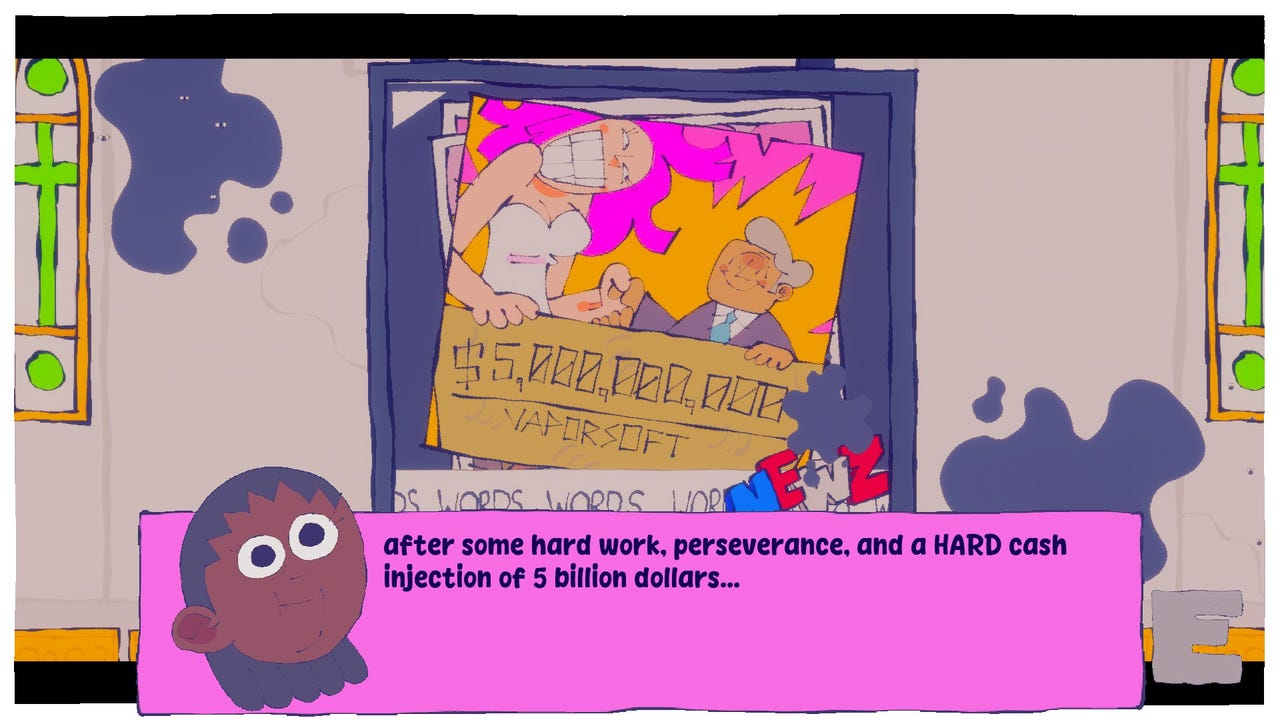
Image via Bubby Darkstar/NoQuarter
Shooty Shooty Robot Invasion is as tired of the push for artificiality in our lives and the presence of billionaires as everyone else. To counter this, it invites you to join a group of rebels against a robot invasion, presenting a first-person shooter that basks in absurdity, chronically online jokes, and a saturated art style that gives life to an extensive cast of characters. It’s a game that serves as much-needed catharsis, but it’s the dialogue and comedy woven throughout that kept me invested, making me forget, if only on occasion, that the parody on display is way too close to reality.
Despelote (Julián Cordero/Sebastian Valbuena/Panic)
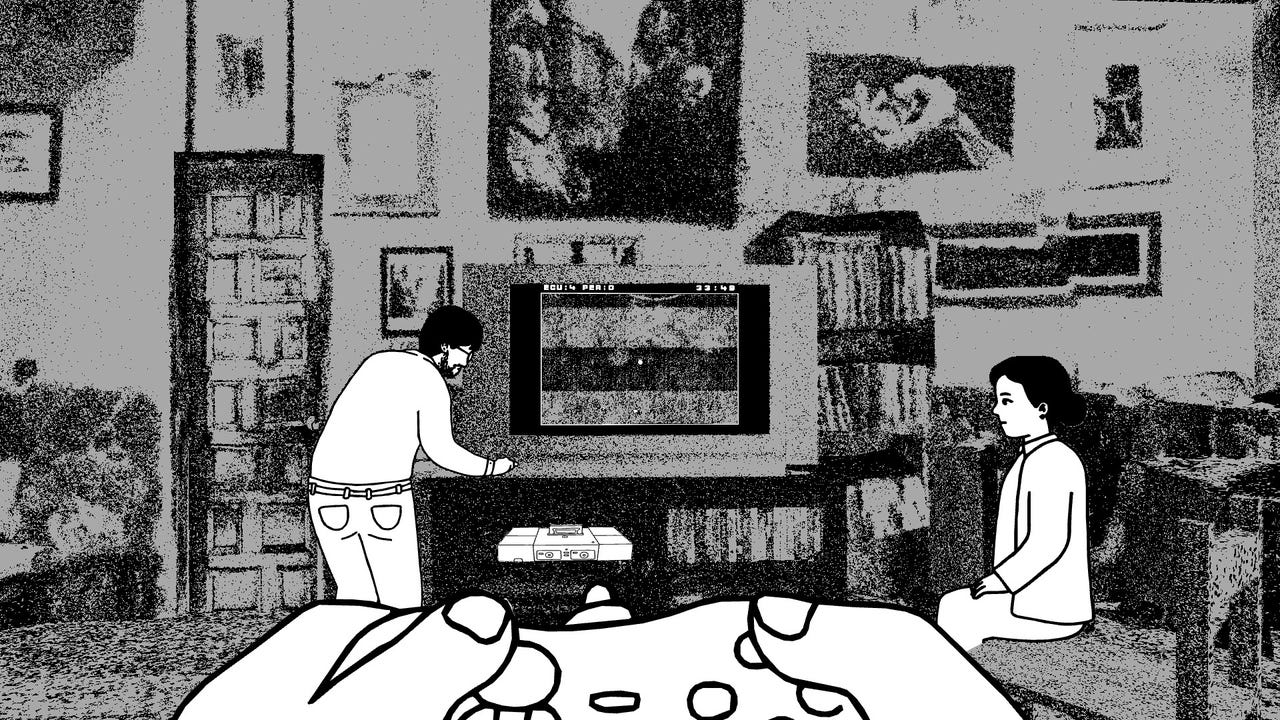
Image via Julián Cordero/Sebastian Valbuena/Panic
I played the first ten minutes of Despelote with a knot in my throat. I’m not a soccer fan. I wasn’t born in Ecuador, either, which is where the slice-of-life adventure takes place. But as a fellow Latin American, the sense of place that Despelote managed to evoke in its first frames was enough to conjure all sorts of memories. A big part of this is the fact that Spanish is the predilect in-game language. It’s not the first game to attempt this, but it is the first to actually care about the authenticity of it. With every spoken word, you can sense the pride of a nation. You can sense the pride of the developers releasing a game in 2025 that defies the commercial expectation to succumb to English’s hegemony. Instead, it focuses solely on telling a personal story that only we in the Southern Hemisphere can truly understand, and not the other way around.
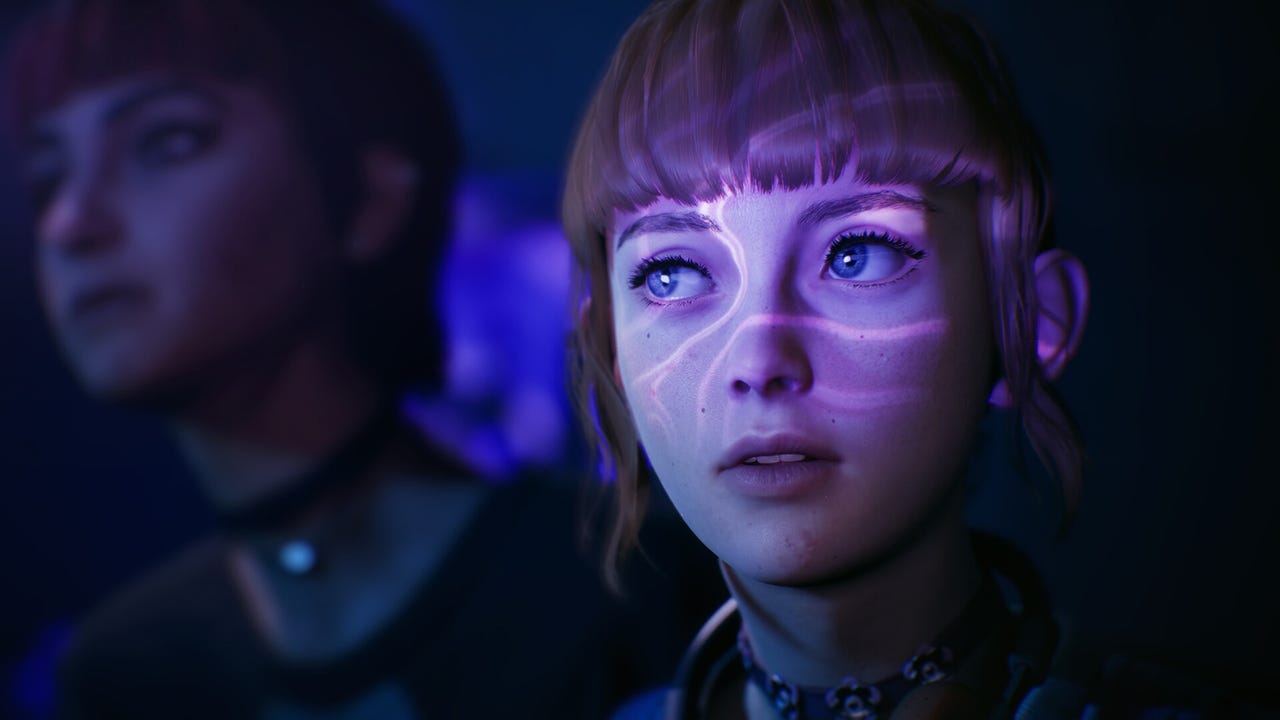
Image via Don’t Nod
All coming-of-age stories are defined by demographics, time periods, and who embodies them. But there’s always room to relate and draw parallels from. The latest narrative adventure from the Life is Strange studio, Lost Records: Bloom and Rage, is a strong example of this, showcasing the perspectives of four young women who reside in a town that couldn’t be more different than theirs. The protagonists suffer the hate of the community they grew up in every turn, until they decide they’ve had enough. Colorful makeup and props, the whirring of an electric guitar, and a desire to break free from oppressors in every sense of the word are enough to fuel a flame—one meant to burn not just the wrongdoings of the town, but also set ablaze the pain and suffering of the past as they embark on a new chapter in their lives, this time stronger together.
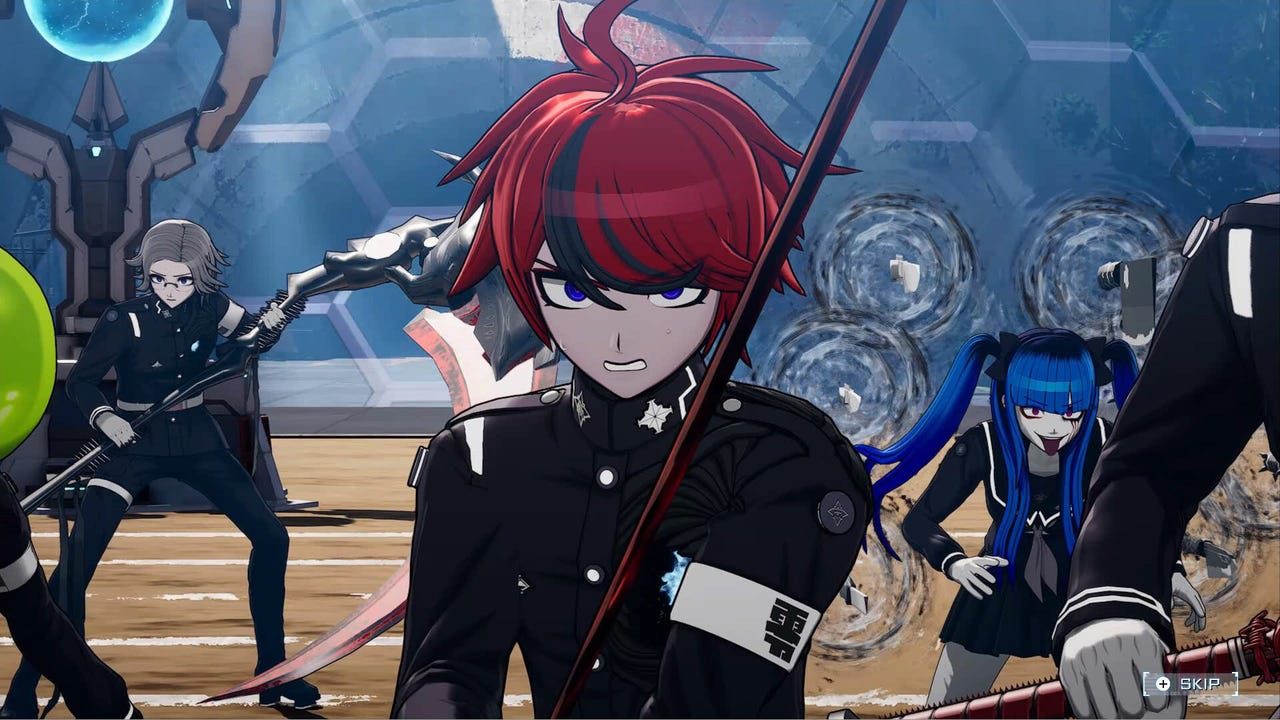
Image via Too Kyo Games/Media.Vision Inc./Aniplex Inc.
The Danganronpa and Zero Escape series can be hard to stomach. These visual novels are often violent and gritty, featuring casts of characters who endure painful deaths and dialogue that isn’t afraid to be crass and, more often than not, quite problematic. The Hundred Line: Last Defense Academy sticks close to both series in nature, with the lead developers of each franchise joining together for a strategy RPG meets visual novel that feels like the culmination of decades of work. By infusing the singular creative energy that has driven past works into one joint experience, The Hundred Line is both a recurring homage and a gargantuan expression of ambition, featuring a story with 100 endings to pursue. During a year in which time seemed finite, my investment in a crude story with an absurd time commitment was rewarded with heartfelt moments that felt rightfully earned every time.
Skate Story (Sam Eng/Devolver Digital)
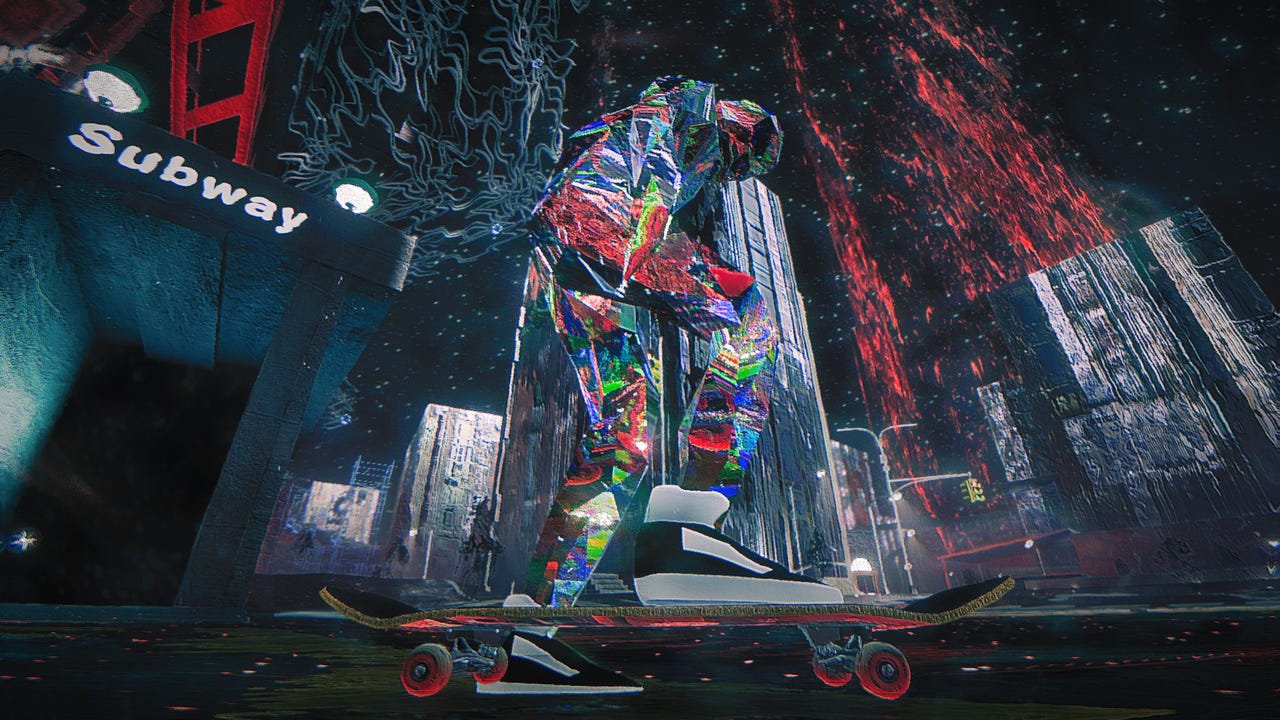
Image via Sam Eng/Devolver Digital
2025 saw the release of a new entry in the Skate franchise, as well as a second modern remake of the Tony Hawk series. Throughout the past few years, however, many developers have been keeping the skate video game spirit alive, either pushing for simulation or just vibes in more arcade-driven experiences. Skate Story, however, carves its own place in both the genre and hell itself. As a soul in the underworld, you’re tasked to use your board to plunge through multiple layers of hell as you work your way toward eating the moon and freeing your soul.
Skate Story encompasses many things. It’s a solid skating game. It’s an inspiring narrative game. It’s unbashedly creative within its own foundation, too—feeling, looking, and sounding unlike any other game out there. It knows that it’s telling its own story, and embraces the rare opportunity to go all-in, paying homage to the skating scene, the city of New York, and to life itself. It doesn’t matter if you know how to skate or not. It’s just a vehicle to get somewhere. A vehicle for expression. A vehicle to better understand yourself and the streets under your wheels as you part ways with them. So just skate, in both life and death. Eat the moon. Set yourself free.